Man and van in Ilford for careful local and long-distance moves

If you need man and van in Ilford, our service is set up for straightforward home, flat and office transport when a full-scale removals team is not necessary. We help move furniture, boxes, appliances and mixed household items in a practical way, with the focus on safe handling, sensible loading and a route that suits the size of the job. That makes it a flexible option for single-item collections, partial moves and smaller relocation work.
The service is designed around the jobs that benefit from a van, lifting support and organised space in the back of the vehicle. We can help with access planning, protective packing and the order in which items are loaded so that more fragile pieces are not crushed by heavier ones. Clear communication before the move helps make the work efficient and gives us the information needed to understand volume, stairs, parking and any awkward items that need extra care.
For a quotation, send over the main details of what needs moving and the destination so we can discuss the most suitable approach. Start with the essentials, then refine the plan if the job includes dismantled furniture, heavier items or multiple stops. See pricing and quotes for the best starting point if you want to compare the practical options before confirming the work.
House moves and flat removals

Our home moves service suits people moving from houses, apartments and shared accommodation where the load is manageable but still needs proper lifting and transport. We can shift full room contents or selected belongings, depending on what you are taking with you. For customers leaving smaller properties, this is often a helpful middle ground between hiring a large removals crew and trying to do everything in several unsuitable car trips.
When a move involves more than a few boxes, the order of loading matters. Sofas, wardrobes, chest drawers and mattresses can each require a different position inside the van, and the shape of the load affects how safely everything travels. In practical terms, this means the move should be arranged so that the most vulnerable items are protected, the heaviest pieces are anchored first, and the remaining space is used efficiently rather than packed carelessly.
Flat removals are often slightly different from house moves because of stairs, lifts, shared entrances and access restrictions. We can plan around those details and move items in a sequence that reduces unnecessary handling. When a property has tight corridors or limited waiting space, it is helpful to know that loading order, parking and access all affect the final shape of the job just as much as the distance between addresses.
Furniture, single items and careful loading

Many customers use our service for one-off pieces rather than a complete move, especially when they need to collect or deliver bulky items that are awkward to carry alone. Our furniture removals work covers items such as beds, wardrobes, tables, chairs and cabinets, with attention to weight, size and the safest angle for moving through doorways. The aim is to avoid damage to the item, the property and the surrounding fixtures.
For isolated collections, furniture pick-up can be a practical option when the item is already ready to go and only needs transport and lifting. This is useful for marketplace purchases, replacements, second-hand pieces and deliveries arranged between private addresses. If an item needs partial dismantling to fit through a route, that can change the time and handling required, so it is worth mentioning in advance.
- item size and weight
- floor level and access at both ends
- whether the furniture has been dismantled
- any fragile surfaces, glass or loose fittings
Packing support and safer preparation
For moves that include boxes, mixed household goods or delicate possessions, packing and boxes information can help you prepare in a way that protects the load before it reaches the van. Good packing is not about using the maximum amount of material; it is about choosing the right box sizes, filling them properly and keeping weight sensible so that lifting remains controlled. That approach makes the journey easier and reduces the chance of crushed or unstable items.
Where customers want more help with the process, packing and unpacking services can support a move that needs additional organisation rather than just transport. This is especially useful when there are breakables, awkward contents or a tight timetable around keys and access. It also helps when items must be separated by room or destination so that the unload is quicker and less confusing once the van arrives.
Before the move day, a short checklist is often enough to make the work smoother: confirm what is travelling, note anything unusually heavy, protect loose parts and keep essential documents or valuables separate. If you are comparing options, please ask for a quotation and share the key details early so the plan reflects the actual amount of work instead of a rough guess.
Household and local moving options
Our service also suits customers who need a smaller, more adaptable version of a traditional removals job. The pages for house removals and house removalists describe the sort of domestic work where items must be moved securely from one address to another without the scale of a large crew. In practice, this can mean a partial family move, selected rooms, or a modest home transfer where speed and coordination matter more than complex logistics.
Removal services are broader than simple transport, because they can include handling, loading, unloading and some of the practical organisation around a move. The exact level of support depends on the job, but the important point is that the service should match the amount of furniture, the type of access and the care required for the contents. A well-planned move is usually less stressful than one where the loading sequence is decided on the day without enough information.
Removals in general cover a wide range of moving tasks, and that flexibility is useful when a customer needs more than a courier-style collection but less than a large-scale relocation package. If you are planning a mixed load, it helps to identify the pieces that are easy to carry and the pieces that need extra attention. Knowing the difference can shape the quote, the van size and the time needed on site.
Commercial moves and office relocation
Businesses often need a transport service that can move desks, chairs, storage units, boxes of files and small equipment without unnecessary disruption. Our commercial moves work is suited to those lighter business relocations where the priority is safe handling and a tidy load plan. We can help move the contents of a small workplace, studio or retail back office while keeping the job organised and practical.
For larger workplace changes, office removals and office relocation services cover the kind of move where equipment, paperwork and furniture need to arrive in the right sequence. That may involve moving files separately from furniture, protecting surfaces that mark easily and keeping the route between addresses as straightforward as possible. The more precisely the contents are described, the easier it is to plan a realistic moving schedule.
When arranging a business move, it is worth identifying any sensitive items, awkward access points or items that should not be stacked underneath heavier pieces. We also recommend keeping a simple inventory for larger office jobs, because that makes unloading easier and gives everyone a clearer idea of what is travelling. If you are comparing dates or reviewing options, a brief note of what must be moved is usually enough to begin the conversation.
Storage, same-day moves and flexible timing

Not every move goes directly from one property to the next, which is why storage can be relevant when the timing of an arrival and departure does not line up neatly. Items may need to be held temporarily while a property is prepared, redecorated or cleared. When storage is part of the plan, it is especially useful to group items by priority so that the most important belongings can be accessed more easily later.
same-day removals are useful when a move needs to be completed within a short window, although the exact feasibility depends on the size of the load, the travel distance and the access at each end. Even where the timing is tight, the same principles still apply: protect delicate items, load in a sensible order and keep the move efficient. Fast work is only useful if the items arrive in good condition.
If you need to combine collection, temporary holding and onward delivery, explain the sequence clearly at the quotation stage. A short list of addresses, item types and access notes is often enough to show whether one van journey or a slightly more involved plan is the better fit. That sort of clarity helps avoid last-minute changes and keeps the move under control.
About Ilford
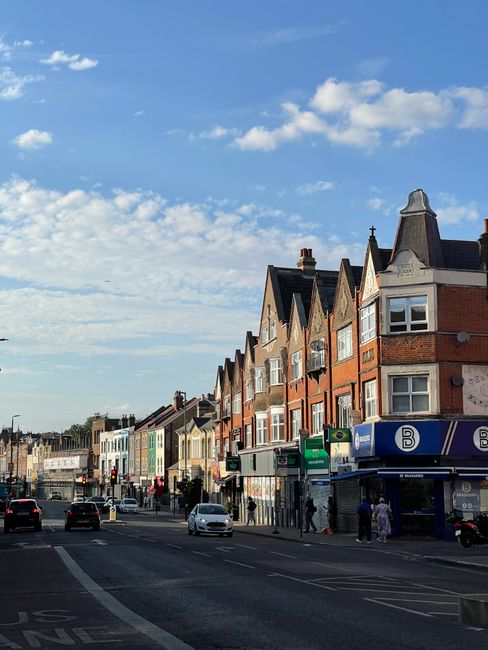
Ilford is a large district in east London and the principal town of the London Borough of Redbridge. It developed from a historic settlement on the River Roding and grew substantially in the nineteenth century after the arrival of the railway. The modern centre is shaped by a busy high street, transport links and a mix of civic, retail and residential uses. Ilford railway station sits on the Great Eastern Main Line, and nearby transport improvements have long influenced how the area connects with the wider capital. The district also includes a varied street pattern, from older residential roads to later development around the town centre and main corridors. Cultural life is diverse, reflecting the population of the borough, and that is visible in the range of shops, places of worship and local eateries across the area. Valentines Park is one of the best-known open spaces in the district, with formal gardens, lakes and historic landscape features that give the area an important green heart. The park is associated with Valentines Mansion, an early Georgian house that has become a notable heritage feature. Another point of interest is the Kenneth More Theatre, a local venue that contributes to the district’s performing arts scene. Ilford’s growth over time has left it with a layered character rather than a single architectural style, so visitors can find older buildings, interwar housing, post-war redevelopment and newer apartment schemes within a relatively compact urban setting. Its position on a main transport route into east London has helped keep it commercially active, while nearby green spaces and community facilities provide a more varied sense of place than the high street alone might suggest.
Student moves, stairs and practical local transport

student removals are often about moving a modest volume of furniture, bags, books and personal items between term-time accommodation and home. These jobs can be efficient when the load is packed clearly and the essential items are separated from things that can wait. The key is to keep the move light enough to handle safely while still transporting everything that matters in one organised trip rather than several uncertain ones.
For people moving between shared homes, halls or rented rooms, a van-based service is often useful because it can handle the awkward pieces that do not fit comfortably in smaller vehicles. Stairs, corridors and basement access can make the work slower, so it helps to mention those conditions early. If the route includes narrow turns or heavy items, that should be factored into the moving plan rather than treated as an afterthought on the day.
When the move is ready, the most helpful next step is usually the simplest: send the item list and addresses, then ask for a quotation. If you need a dependable contact point for booking, use the enquiry route and we can discuss the details from there.
Safety, access and the way we handle the job
The practical side of any move is not only about driving from A to B. Good handling starts with understanding what is being moved, how it should be carried and where the difficulties are likely to appear. Our insurance and safety information sets out the kind of careful approach expected on moving work, including sensible lifting, protecting items during transit and planning around access constraints where possible. It is always better to identify a risk before loading than after an item is already half inside the van.
Some items naturally require more attention than others. Mirrors, screens, glass shelves, artwork and older furniture can all need stable positioning and extra wrapping. Even ordinary household goods can become awkward if the box sizes are poor or the stack is uneven. That is why the arrangement of a van load matters: the safest move is usually the one where weight is distributed sensibly and fragile objects are not left vulnerable to shifting during the journey.
When you are ready to proceed, it is fine to ask for a clear quotation in plain terms. A short description of the move is enough to begin, and any further details can be added once the scale of the work is understood. For a simple, workable start, send the essentials and ask for the best available estimate.